Table of Contents
Most restaurant owners ask for reviews at the wrong time or they don’t ask at all. That one habit is probably costing more bookings than a bad menu photo ever could. Here’s the thing. People deciding where to eat base their choices on star ratings and recent comments long before walking in the door and if your last review is from three months ago that gap says something even when it shouldn’t.
Implementing google review automation fixes the timing problem and the follow-up problem at once. It acts as an automated review workflow that sends a targeted review request right after a guest pays or leaves while the dining experience and experience is still fresh. It also helps you respond to reviews that come in. Investing in automation for restaurants saves vital time and resources replacing manual tasks with high-converting touchpoints that help restaurants thrive.
What Restaurant Review Automation Actually Means
When people hear automation they picture something complicated. It’s not. Modern management tools simplify the entire customer journey. A guest finishes their meal and pays and within a short window they get a prompt asking about their visit with a direct link to leave a review. That’s the whole loop for most tools.
Connecting Through Point of Sale and QR Codes
Setting up smart triggers ensures no happy diner is missed:
- Point of Sale (POS): Connects directly with checkout registers to track orders and trigger prompt outreach.
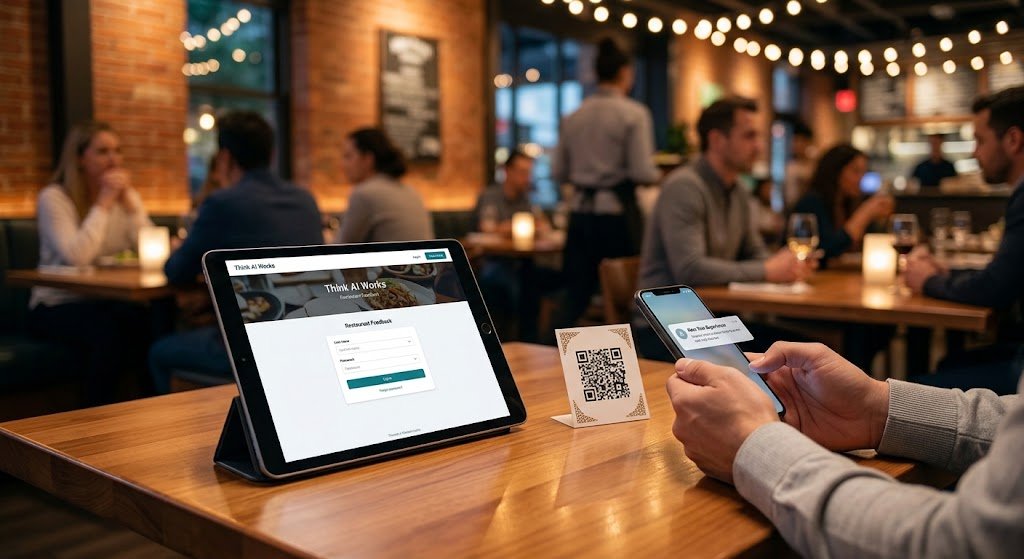
- Printed QR Codes: Embedded on receipts and table displays so guests paying cash can easily leave reviews.
- Seamless Action: Directs diners to share positive feedback while flavors and hospitality are top of mind.
Consolidating Feedback Across All Review Sites
A dedicated review platform consolidates reviews from Google Yelp and Tripadvisor into a single dashboard. This allows restaurants to oversee reviews from various channels monitor review volume track review data and systematically generate positive reviews.
Why the 45-Minute Window Changes Everything
There’s a reason review timing gets its own section here and it’s not filler. Ask too early and the guest hasn’t finished their meal yet so the request feels off. Ask a day later and the moment has already faded into every other dinner they’ve had that week.
The Post-Visit Sweet Spot
Targeting the post-visit window—roughly 45 minutes after the check closes—catches diners at the ideal moment:
- Fresh Impressions: Hospitality quality and food presentation remain clear in mind.
- Higher Response Rate: Satisfied diners respond actively to an immediate friendly review ask.
- Authentic Tone: Immediate prompts capture vibrant details about menu items and service.
Generating Fresh High-Impact Customer Reviews
A review written right after the experience reads differently than one written days later. It has more detail mentions the server by name and praises signature plates instead of just saying “good food good service.” These detailed customer reviews build social proof for potential customers and strengthen your restaurant’s reputation.
How the Local Algorithm Weighs Review Signals
Recency directly impacts visibility in local map and search results:
- Fresh Submissions Outrank Old Tallies: Search engines prioritize venues with steady incoming ratings over older backlogs.
- Competitive Edge: Securing new google reviews consistently elevates your standing in local search results.
How to Automate Google Reviews Step by Step
Setting this up isn’t as involved as it sounds and once it’s running you mostly leave it alone. Building a reliable review system requires four core steps:
- Connect the Trigger: Integrate your POS table booking software or online ordering system to detect closed checks and start the timer.
- Select Delivery Channels: Deploy targeted SMS messages dispatch automated follow-up emails or place instant QR codes on receipts.
- Link Directly to Your Google Profile: Route guests straight into the 5-star rating window on your google business profile to eliminate friction rather than dropping them on a homepage or menu.
- Monitor Workflow Performance: Oversee the automation flow regularly to verify high delivery rates and link functionality.
Core Delivery Channels
- SMS Messages: Deliver the highest open rates and feel personal but require the guest’s phone number on file.
- Automated Emails: Easy to set up and reliable for digital receipts and online takeout orders.
- Receipt QR Codes: Best approach for walk-ins and cash payments where customer contact details are not collected.
Review Gating Policies and Platform Guidelines
Some tools try to filter people before they leave a review by asking happy guests to post publicly and steering unhappy ones somewhere private instead. Known as review gating this practice violates Google’s terms and can jeopardize your listing. The better move is gathering reviews across all customer segments to build transparency remain compliant and keep your google profile healthy.
Handling Feedback With AI Review Tools
Getting the reviews is only half of it. Maintaining active review response management is critical for long-term customer loyalty because nobody on a busy floor has time to sit and manually reply to every single comment.
Streamlining Replies Powered by AI
A dedicated review response tool or review response assistant powered by ai enables teams to streamline communication without repetitive manual work:
- Preserves Brand Voice: Produces authentic on-brand replies that reflect your venue’s unique style rather than a generic template.
- Contextual Acknowledgment: Recognizes specific meal praises and personalizes google review responses for restaurants.
- Consistent Coverage: Delivers an automated response to every review saving considerable time for restaurant managers.
Managing Negative Reviews and Deterring Damage
Addressing low ratings rapidly is indispensable for proper reputation management:
- Immediate Attention: Answering fast and specifically shows other readers that someone is paying attention.
- Mitigating Reputation Risk: Leaving a bad review unaddressed damages trust and unresolved negative reviews can deter incoming table bookings.
- Restoring Guest Loyalty: Thoughtful handling of negative feedback regularly convinces dissatisfied guests to give the restaurant another chance.
Selecting Software to Enhance Your Restaurant’s Online Reputation
Selecting an efficient review solution helps you manage reviews effectively without unnecessary software bloat:
- Centralized Dashboard: Pulling in reviews across Google Yelp and Tripadvisor into one screen saves hours every week.
- Analytics and Trends: Advanced tools provide valuable insights by analyzing customer sentiment keyword frequency and overall review performance.
- Long-Term Asset: Systematically gathering feedback serves to enhance your restaurant’s online reputation and expand brand equity.
Driving Local SEO and Revenue Growth
Online ratings serve as critical ranking factors and powerful purchasing motivators for nearby diners.
Local Search Signals and Profile Authority
Consistent review velocity directly impacts how search engines display your venue:
- Local Pack Dominance: Regular positive ratings elevate placement within local map searches.
- Google Listing Optimization: New customer feedback continually updates and helps optimize your google business profile.
Conversion Rates and Revenue Gains
When browsing search directories consumers are more likely to choose dining spots backed by recent 5-star reviews and attentive owner responses turning search impressions into paying diners.
Why Restaurant Owners Actually Use Review Automation
Running a restaurant leaves almost no spare time and chasing feedback by hand rarely survives a busy week. That’s the honest reason most owners automate this process.
- Hands-Off Growth: Once running you aren’t thinking about it daily as new reviews arrive steadily.
- Consistent Response: Replies go out automatically without pulling staff away from the floor mid-shift.
- End-to-End Execution: If you want this set up for your own restaurant our restaurant automation service handles the entire flow from initial request through owner reply.
Let’s take the busywork off your plate.
Book a free 30-minute call and we’ll map out exactly where automation can save you hours every week — no pressure, no jargon.
Frequently Asked Questions
What is restaurant review automation?
It’s software that sends a review request to a guest automatically after their visit and often handles replying to reviews too instead of a staff member doing both by hand.
How do I automate Google review requests?
You connect a trigger usually your point of sale or booking system to a messaging tool that sends the review link by text or email once a visit is marked complete.
When is the best time to ask a customer for a review?
Somewhere around 45 minutes after the visit tends to work best while the experience is still fresh in their mind.
What is review gating and why should I avoid it?
It’s the practice of only pushing happy guests toward a public review while routing unhappy ones somewhere private. Google’s guidelines don’t allow it and it can get your profile flagged.
Can AI actually respond to Google reviews on its own?
Yes. It can draft or post replies that match your usual tone though most owners still glance over the first batch before letting it run unsupervised.
How should I handle a negative review?
Answer it quickly and speak to the specific issue instead of a generic apology. A fast specific reply reads better to anyone else looking at your page.
What’s the fastest way to get more Google reviews for a restaurant?
Ask right after the visit keep the link one click away from the actual review box and send the same request to every guest instead of picking and choosing.
Does texting work better than email for review requests?
Texts usually get opened faster but you need the guest’s number so a lot of places run both and let the guest’s info decide which one goes out.
How does having more reviews affect local search ranking?
Search results tend to favor businesses with a steady flow of recent reviews over ones with a big pile of old ones and nothing new coming in.
What should I look for in review management software?
Look for one dashboard covering every review site you’re on tracking of review volume over time and a way to spot patterns in what guests keep saying.
Does automating review requests feel impersonal to guests?
Not if the message sounds like it came from a person and not a system. Simple wording and the right timing usually keep it feeling natural.
How much time does this actually save an owner?
It varies by restaurant but most owners say they stop thinking about reviews day-to-day once the request and reply steps run on their own.
Can this connect to my online ordering system too?
Yes depending on the tool many setups can trigger a review request after a pickup or delivery order closes out not just dine-in visits.
Should every guest get the same review request?
Yes. Sending the same ask to everyone keeps you inside Google’s rules and gives you a more honest picture of how people actually feel about the visit.
How fast should I reply to a new review to make a difference?
Within a day or two if you can manage it. The faster reply doesn’t just help that one guest; it signals to everyone else reading that someone is watching the page.